Bulk & Dealer Buying Guides
Explore bulk and dealer buying guides for agricultural products, pricing, and ordering tips.
12 articles
 13 min
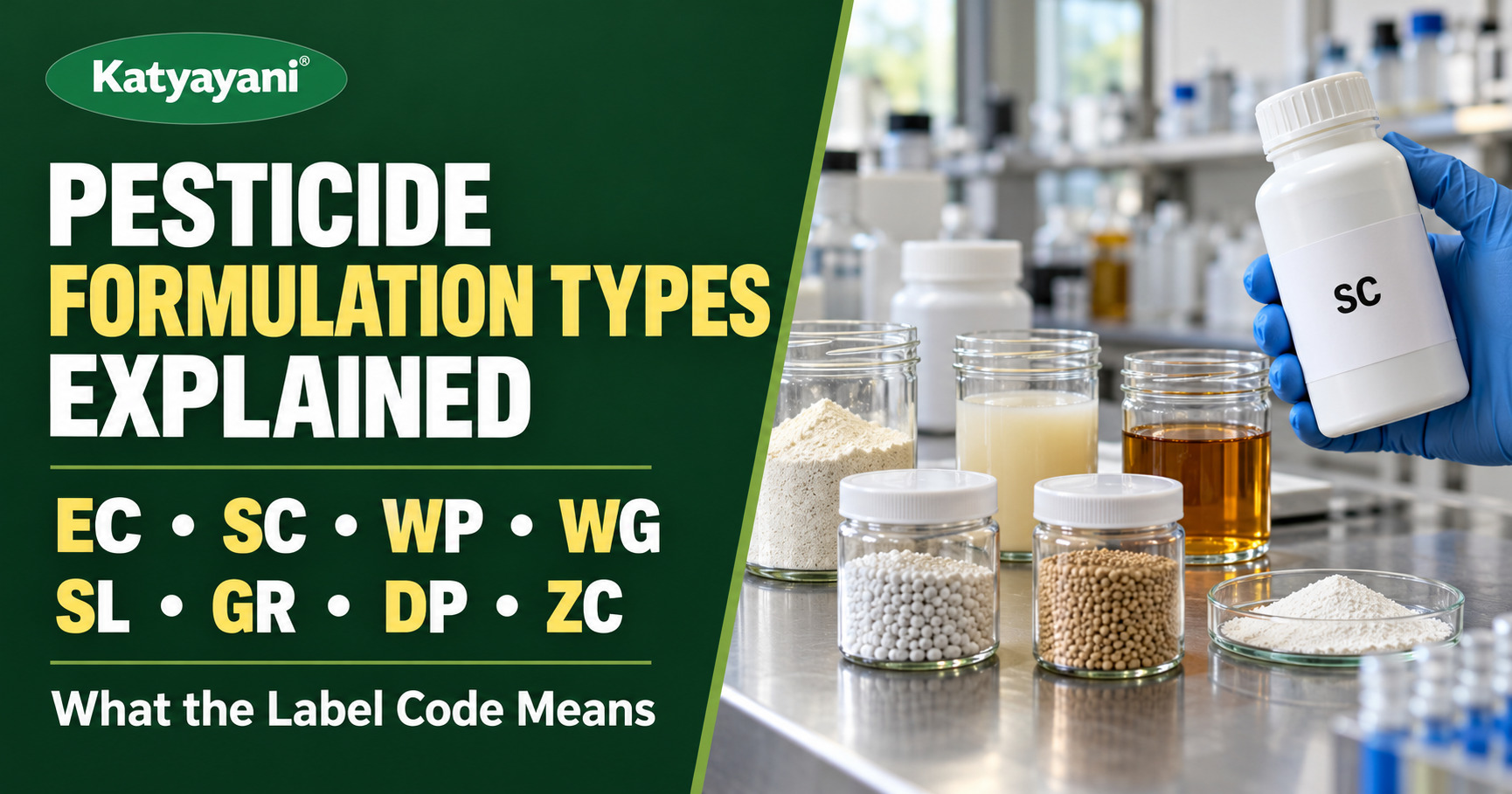
Pesticide Formulation Types Explained: EC, SC, WP, WG, SL, GR, DP, ZC and What the Label Code Means
A formulation code is the short letter pair on a pesticide pack that tells you what physical form the product is in. EC is a liquid that turns milky in water, SC is fine solid particles floating in liquid, WP is a powder you mix into a slurry, WG is dry granules that break up in water, SL is a clear liquid that dissolves, GR is ready-to-scatter granules and DP is a dust. The code says how the product is made and handled. It does not say how strong or how safe the product is. Strength is the percent number before the code, and the dose always comes from the label. Shake or stir SC, WP and WG well, add dry products to the tank first and liquids after, and test a small jar mix before any new combination.
 11 min
Technical Grade vs Formulation Grade Pesticide: What Bulk Buyers Must Know Before Comparing Quotes
A technical grade product (TC, or technical material) is the pure-ish active ingredient straight from the factory, usually in the range of 90 percent or more active, with some manufacturing impurities. It is a raw material for formulators, not a pack for farmers. A formulated product (EC, SC, WP, WG, SL, GR and others) is the technical mixed with solvents, carriers and other additives to a stated percent, so it can be diluted and sprayed. Because the active is diluted, never compare two quotes by price per litre or kg. Compare the price per gram of active ingredient: divide the price by the grams of active in the pack. In India the label percent, the registration number and the batch details must match the registration, and technical and formulation each have their own CIB&RC registration route.
 11 min
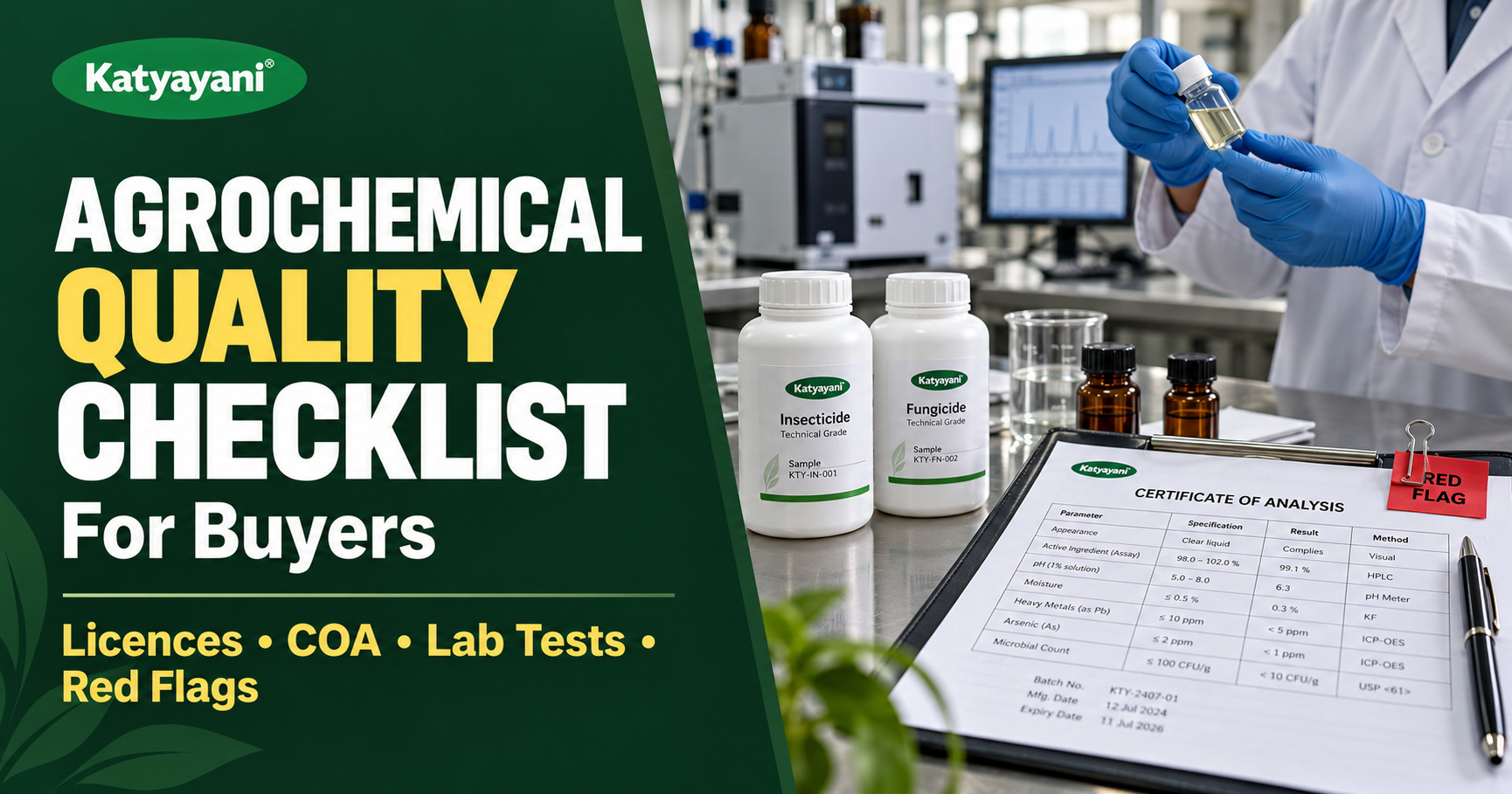
Agrochemical Manufacturer Quality Checklist for Buyers: Licences, COA, Lab Tests and Red Flags
To verify an agrochemical manufacturer, check five things in this order: the CIB&RC registration number for each product, the state manufacturing licence for the exact factory, a batch-wise certificate of analysis (COA) that matches the label, an independent lab test of a pre-shipment sample, and a written supply agreement with return and recall terms. Under the Insecticides Act, a dealer can be prosecuted for selling misbranded stock, even if the maker is at fault, so proof beats promises. A good COA lists the batch number, the tests, the limits and the results. Ask for suspensibility, wet sieve, pH and persistent foam results for suspension and wettable powder products, and the active ingredient content for all products. Test a sealed sample at an accredited lab before the full order, keep a retained sample from every lot, and pay the balance only after the result matches the label.
 11 min
What to Check Before Buying Agricultural Products Online in India: Licence, Label, Batch, Bill and Complaint Steps
Before you pay, check six things: the seller holds a valid state licence that covers that exact product; the product is registered (pesticides) or meets fertiliser and seed rules; the label shows batch number, manufacturing and expiry dates; the pack is sealed; the price is not above the printed MRP; and you will get a proper bill with batch details. If any of these is missing, do not buy.
 17 min
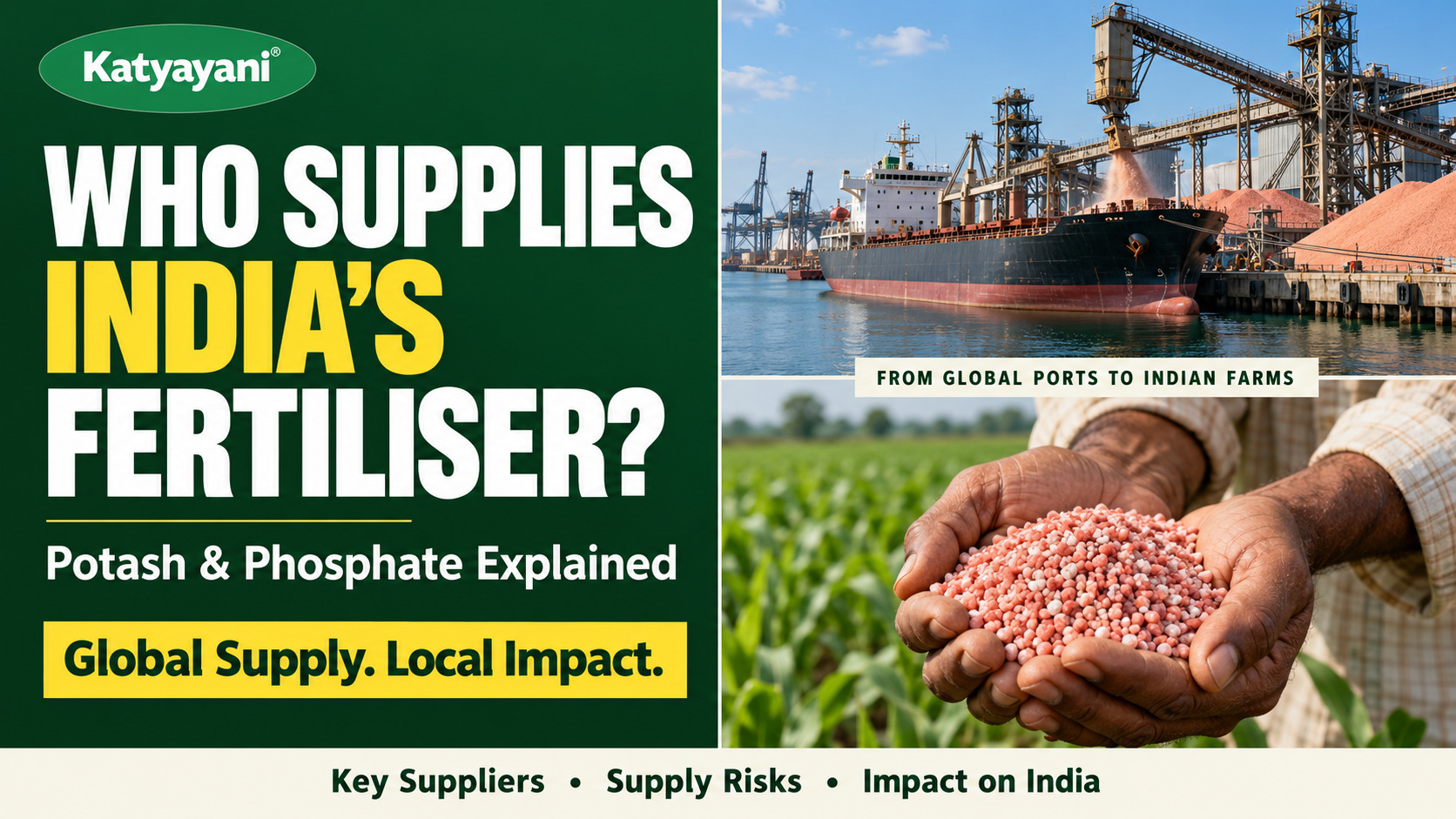
Potash and Phosphate Supply: Which Countries Control the Market and What It Means for India
Canada is the biggest potash producing country: about 15 million tonnes of K2O in 2025 (USGS estimate), roughly 30% of the world total. Russia is second and China and Belarus follow. Canada, Russia and Belarus together made 70.5% of 2024 output by NRCan's count. For phosphate rock, China leads (about 110 million tonnes), but Morocco holds about two thirds of the world's reserves. India has no commercial potash production and imports nearly all of it. Phosphates are the tight market in 2026; potash is not.
 14 min
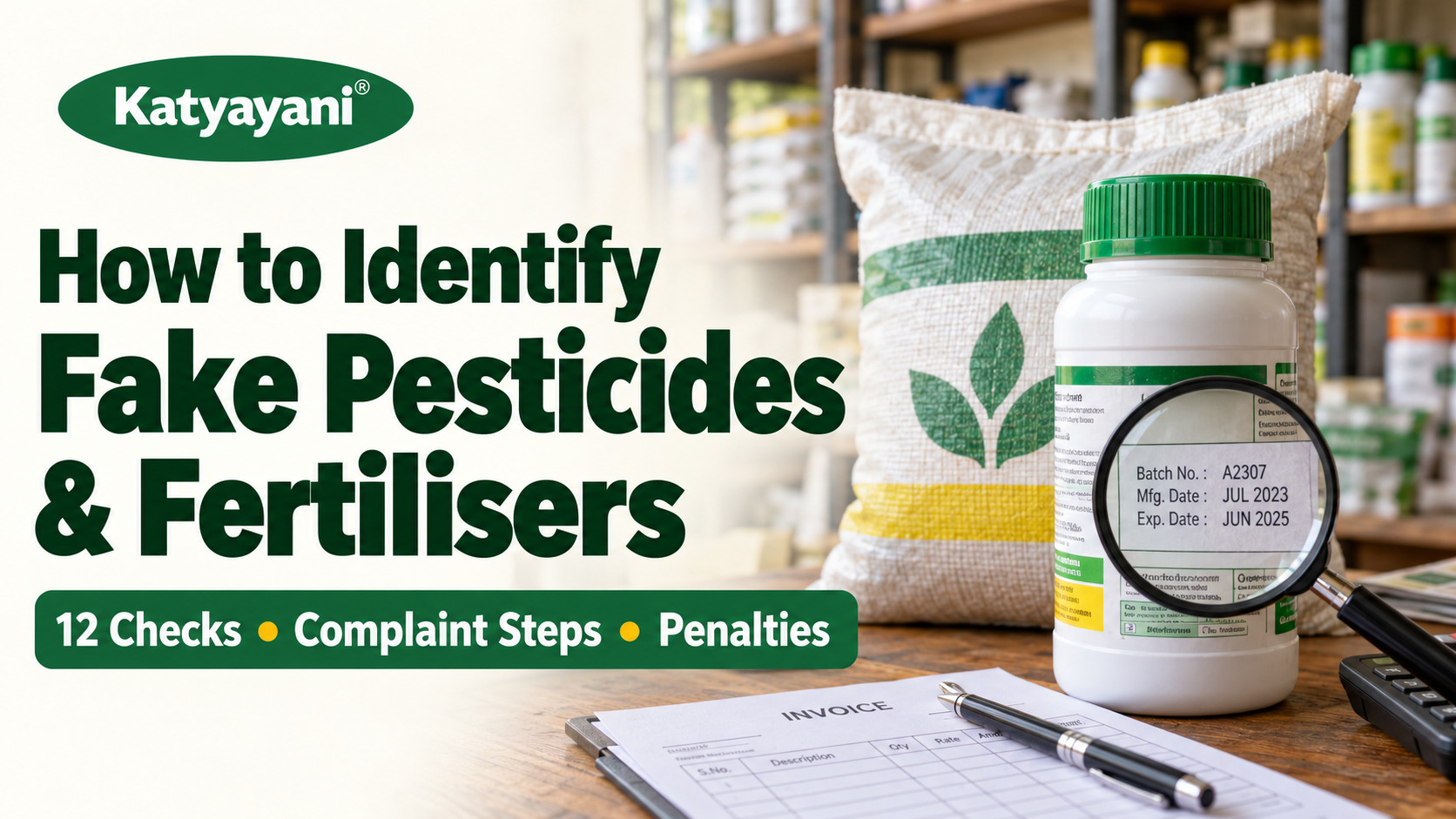
How to Identify Fake Pesticides and Fertilisers: 12 Checks, Complaint Steps and Penalties
Check six things before you pay: a licensed seller, a printed bill, an intact seal, a full label (manufacturer, registration number, batch, expiry), a price near the usual rate, and a claim that sounds normal. For pesticides the law lets only registered products be sold, and a pack with a false label, an imitation name or no registration is "misbranded". Under the Insecticides Act the first-offence penalty is up to 2 years in jail or a fine of Rs 10,000 to Rs 50,000. To complain, call 1800-180-1551 or go to the district agriculture office. A new pesticide law is still a draft as of 19 Oct 2026.
 8 min
Top Agriculture Website in India to Buy Agriculture Products Online (2026 Guide)
A good agriculture website sells genuine, labelled inputs (seeds, fertilizers, pesticides, equipment) with order tracking, expert advice and delivery to your pincode. Katyayani Krishi Direct sells directly from the manufacturer, and BigHaat, AgroStar, AgriBegri and DeHaat are other well-known options. Use the checklist below to choose.
 5 min
How to Choose a Reliable Agrochemical Manufacturer in India: 10-Point Checklist
A reliable agrochemical manufacturer in India holds CIBRC registration for each pesticide, a valid state manufacturing licence, FCO registration for fertilizer products, an in-house QC lab that issues batch-wise certificates of analysis, and ISO certification. Also check label compliance, supply capacity, credit terms, technical support and that no banned molecule is sold.
 5 min
Buying Agri Inputs on GeM: A Practical Guide for Institutions and Government Buyers
Institutions can buy fertilizers, pesticides, bio-inputs and seeds on GeM using direct purchase (up to ₹50,000), L1 purchase after comparing at least three manufacturers (above ₹50,000, up to the applicable limit) or bid/reverse auction for larger orders. Register as a buyer, write clear specs with CIBRC or FCO compliance, check the OEM, inspect on delivery and issue CRAC.
 5 min
Water-Soluble Fertilizer Buying Guide for Drip and Bulk Users
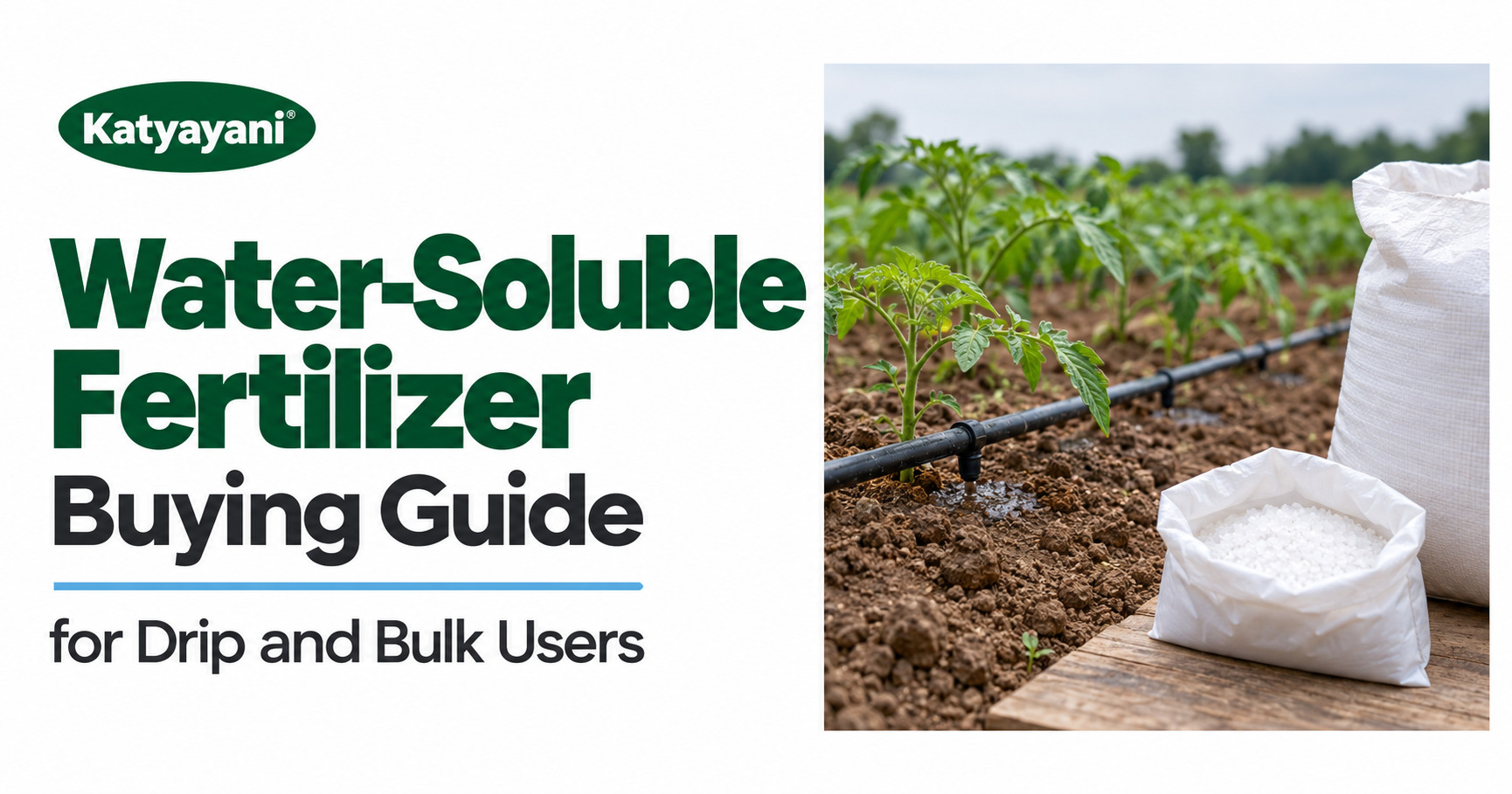
Water-soluble fertilizers are fully soluble NPK, potash and calcium grades for drip and foliar use. Buy 19:19:19 and 12:61:0 for early growth, 0:52:34 and 13:0:45 for flowering and fruit set, 0:0:50 and calcium nitrate for fruit quality. In bulk, check FCO grade, clear solubility, batch, COA and cost per kg of nutrient.
 8 min
Bulk Fertilizer and Pesticide Buying for FPOs: MOQ, Pricing, GST Invoice and Quality Checks
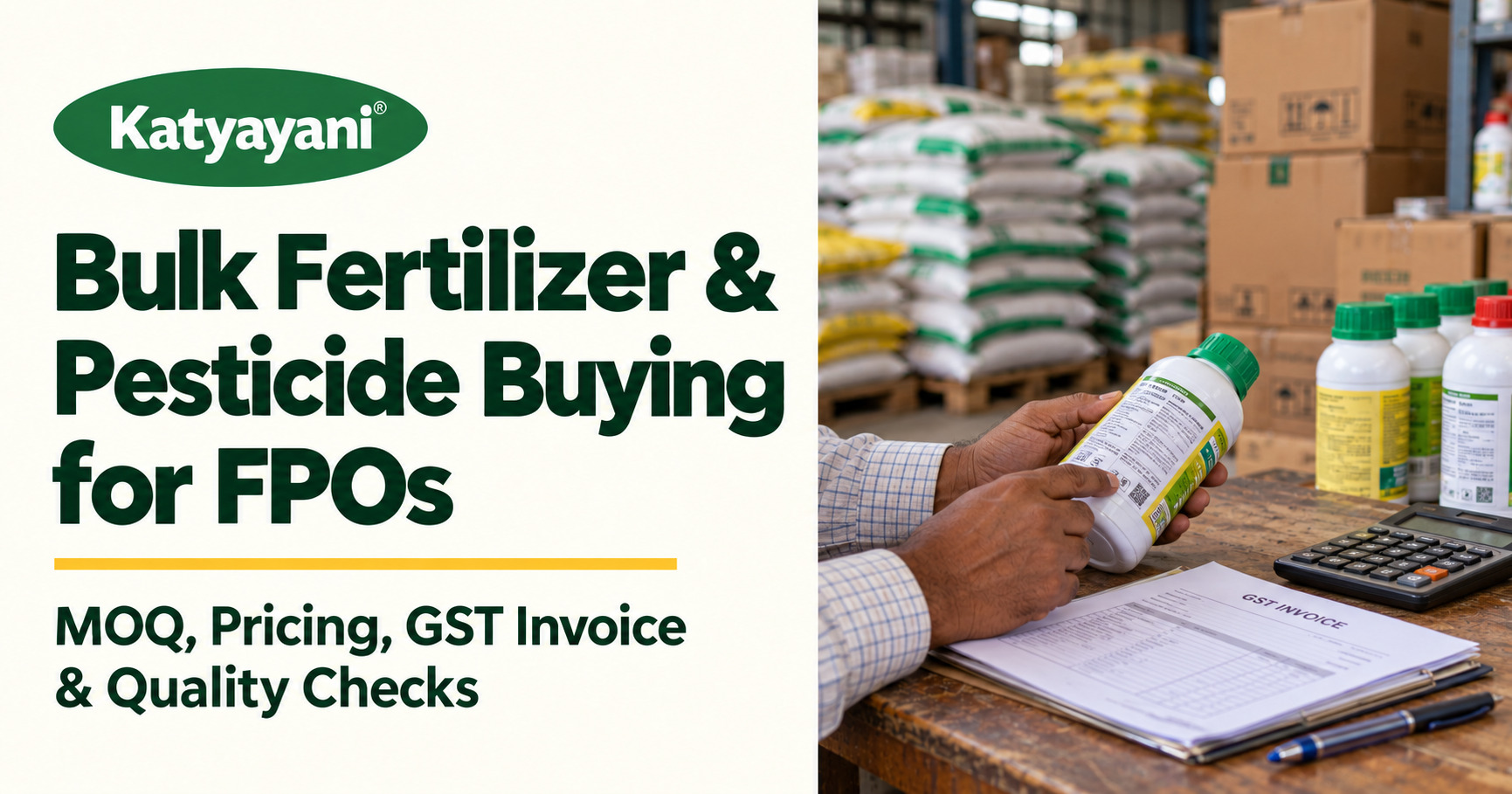
To buy fertilizers and pesticides in bulk, an FPO needs its own fertilizer, pesticide and seed licences, a GST registration and a licensed supplier. Chemical pesticides carry 18% GST, while fertilizers, FCO micronutrients and notified bio-pesticides carry 5%. Check registration numbers, batch, expiry and a certificate of analysis for every lot.
 7 min
Agri Input Dealer Stock List: What Retailers Should Stock for Rabi Season
For rabi, an agri-input retailer should stock basal fertilizers (DAP, NPK complexes, urea, SSP), zinc and sulphur, seed treatment fungicides and bio-fertilizers before sowing, then wheat herbicides by November, and fungicides and aphid insecticides for December to February. Match quantities to local crop area, last season's sales and credit capacity.
