Agri Business & Licensing
Explore guides on agri business, licenses, registrations, and compliance requirements.
16 articles
 19 min
Carbon Credits for Indian Farmers: How They Are Earned, What CCTS Covers, Who Pays, Costs, Risks and a Worked Example
A carbon credit is a certificate for one tonne of carbon dioxide equivalent that a project has removed or avoided, checked by a third party. A single small farm rarely earns from it alone. Farmers join group projects run by a company, FPO or NGO. As of the 21 July 2026 Lok Sabha answer, only two agriculture methodologies are approved under the government CCTS offset route (livestock manure methane, and improved rice management), and the government says no farmer income assessment has been done. Payment depends on credits issued, price and deductions, and can take years. Never pay an upfront fee to join.
 11 min
OEM Agrochemical Manufacturing vs. Private Label: Which Model Fits Your Business?
OEM agrochemical manufacturing means a factory makes a product to your specification and you sell it as your own. Private label usually means you take a ready formulation the factory already sells and put your brand on it. In India the key question is the same for both: who holds the CIB&RC registration and the state manufacturing licence. The label must name the true manufacturer in both models.
 12 min
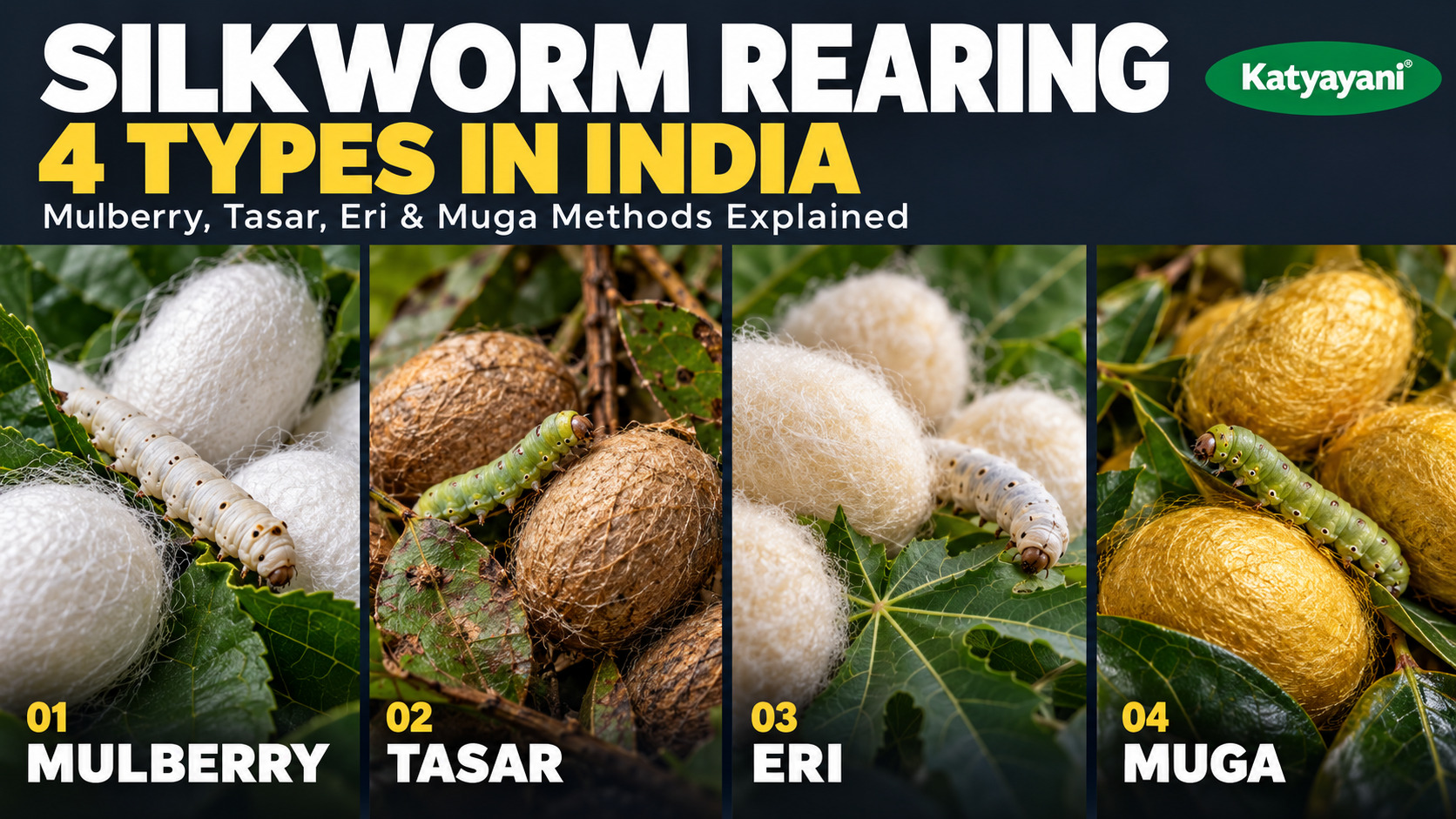
Types of Silkworm Rearing in India: Mulberry, Tasar, Eri and Muga Methods Explained
India has four commercial silk types: mulberry (Bombyx mori, reared indoors on mulberry leaves), tasar (Antheraea mylitta, reared outdoors on trees like asan, arjun and sal), eri (Samia/Philosamia ricini, reared indoors mainly on castor) and muga (Antheraea assamensis, reared on som and soalu trees in Assam). Mulberry is fully domesticated and indoor; muga is semi-domesticated and outdoor; eri is multivoltine and household based. Mulberry rearing runs in two stages, chawki (young worms) and late-age, in a clean, ventilated house kept at about 26 to 28 degrees C and 60 to 70 percent humidity.
 16 min
Contract Farming in India: Models, Agreement Format, Laws, Benefits and Risks
Contract farming is farming done under an agreement signed before the crop is grown: a buyer (the sponsor) agrees to buy the produce, and the farmer agrees to grow it to a set quality, quantity and delivery date. Price may be fixed or formula-based, and the buyer often supplies seed, inputs and advice. FAO describes five models.
 9 min
What Is Agribusiness? Meaning, Value Chain, Types, Examples and Careers in India
Agribusiness is the business of agriculture: every commercial activity from supplying seed, fertiliser and machinery, through farming, to storing, processing, transporting, financing and selling food and farm products. The term was popularised in the 1950s by Harvard's John Davis and Ray Goldberg. A fertiliser company, a dairy processor and a grain trader are all agribusinesses.
 17 min
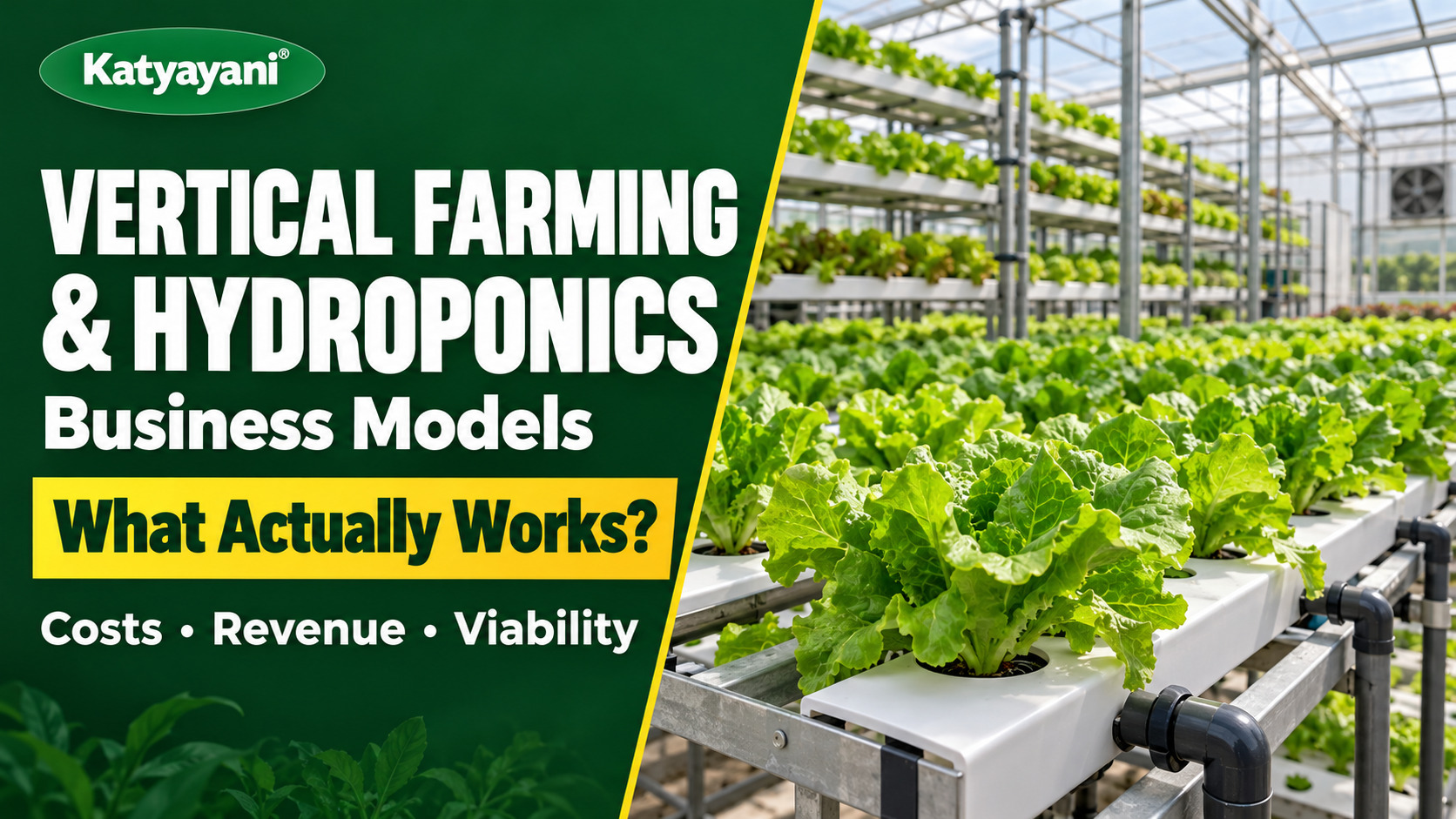
Vertical Farming and Hydroponics Business Models: Costs, Revenue and What Actually Works
Vertical farming grows crops in stacked layers under artificial light, usually in water-based systems called hydroponics. It can give many times the yield per square metre, but it uses far more electricity per kilogram than field or greenhouse growing. Several heavily funded companies, including Plenty, Bowery and AeroFarms, went bankrupt or shut down. An Indian study of 23 polyhouse hydroponic farms found profit on paper, but its price data conflict, so no income figure is safe to promise.
 8 min
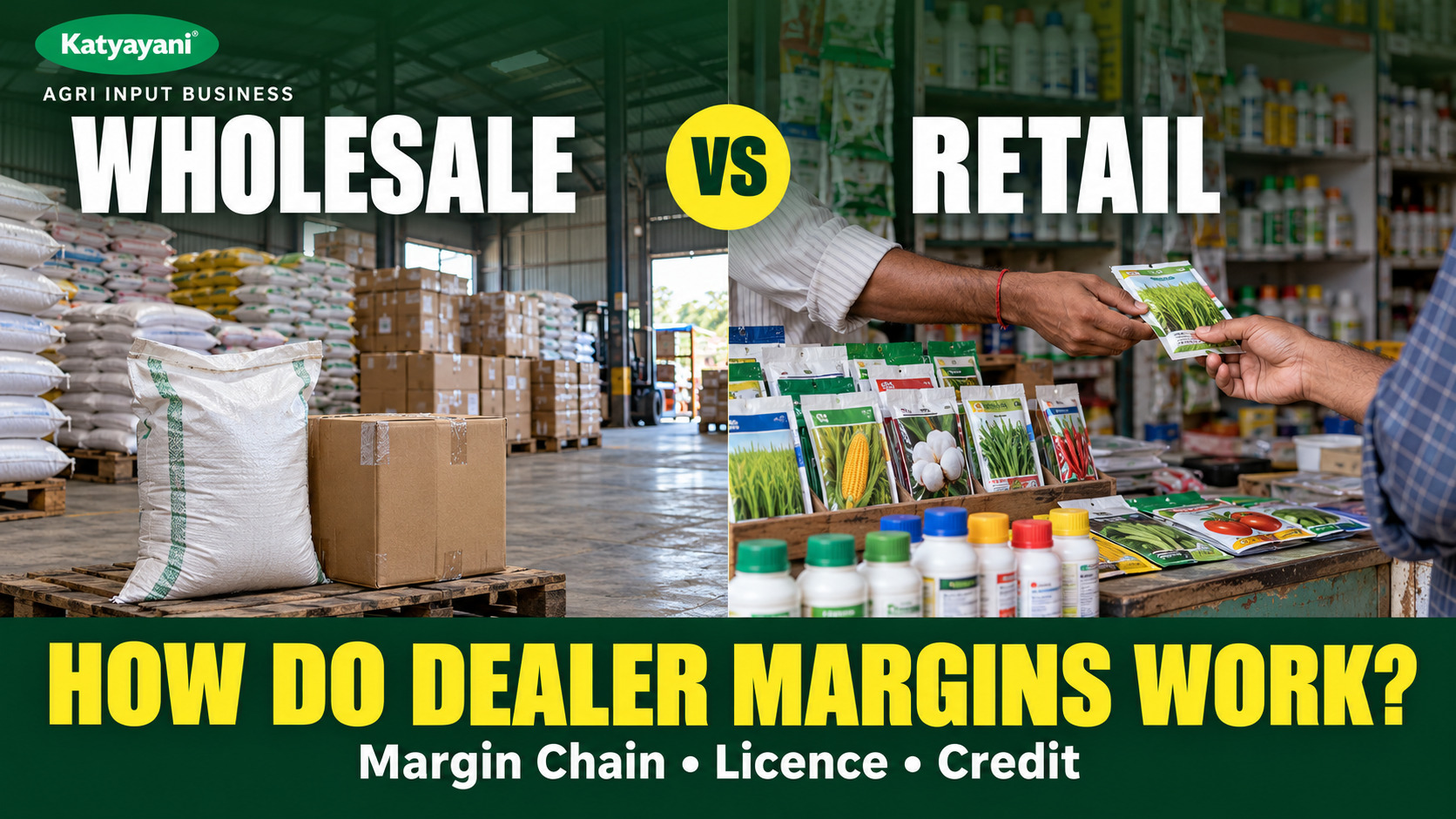
Wholesale vs Retail in Agri Inputs: Dealer Margin Chain, Licence and Credit Explained
In agri inputs, a wholesaler buys in bulk from the company or distributor and sells to retailers and big buyers. A retailer sells to farmers. For fertiliser, the dealer margin is capped by government: Rs 354 per tonne on urea, and up to 2% of MRP on DAP and MOP. For pesticides and bio-inputs no official margin exists. Credit given to farmers, and the long wait for payment, is the biggest risk at every level.
 5 min
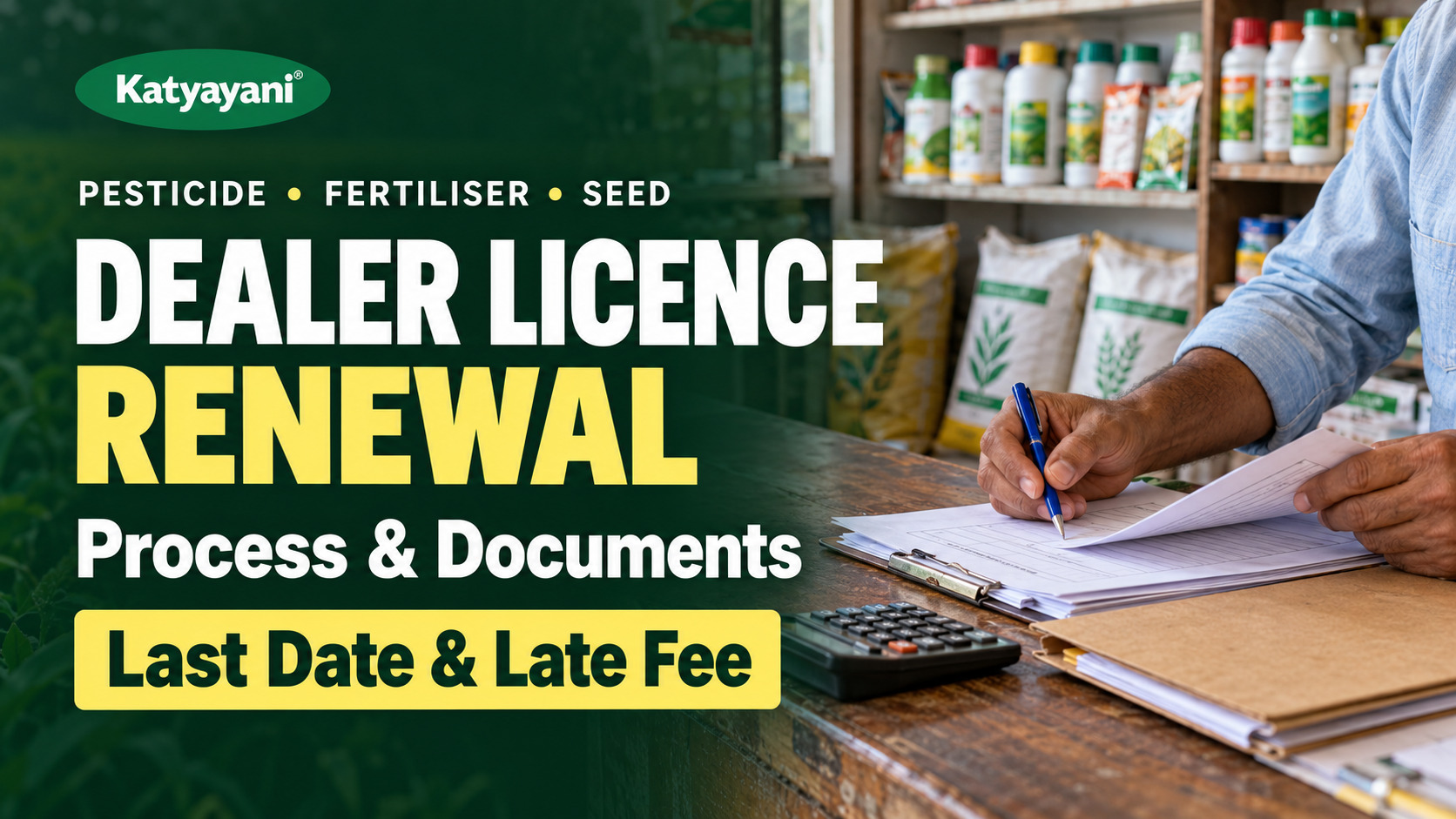
Pesticide, Fertiliser and Seed Dealer Licence Renewal: Process, Documents, Last Date and Late Fee
A pesticide sale licence is valid for 2 calendar years and is renewed on Form VII; a late application is allowed within 3 months with a late fee. A fertiliser authorisation is valid for 3 years, and late renewal is allowed only within 1 month. A seed licence is valid for 3 years, renewed on Form C, with a 1-month late window. Apply before expiry. Fees and online portals are set by each state.
 5 min
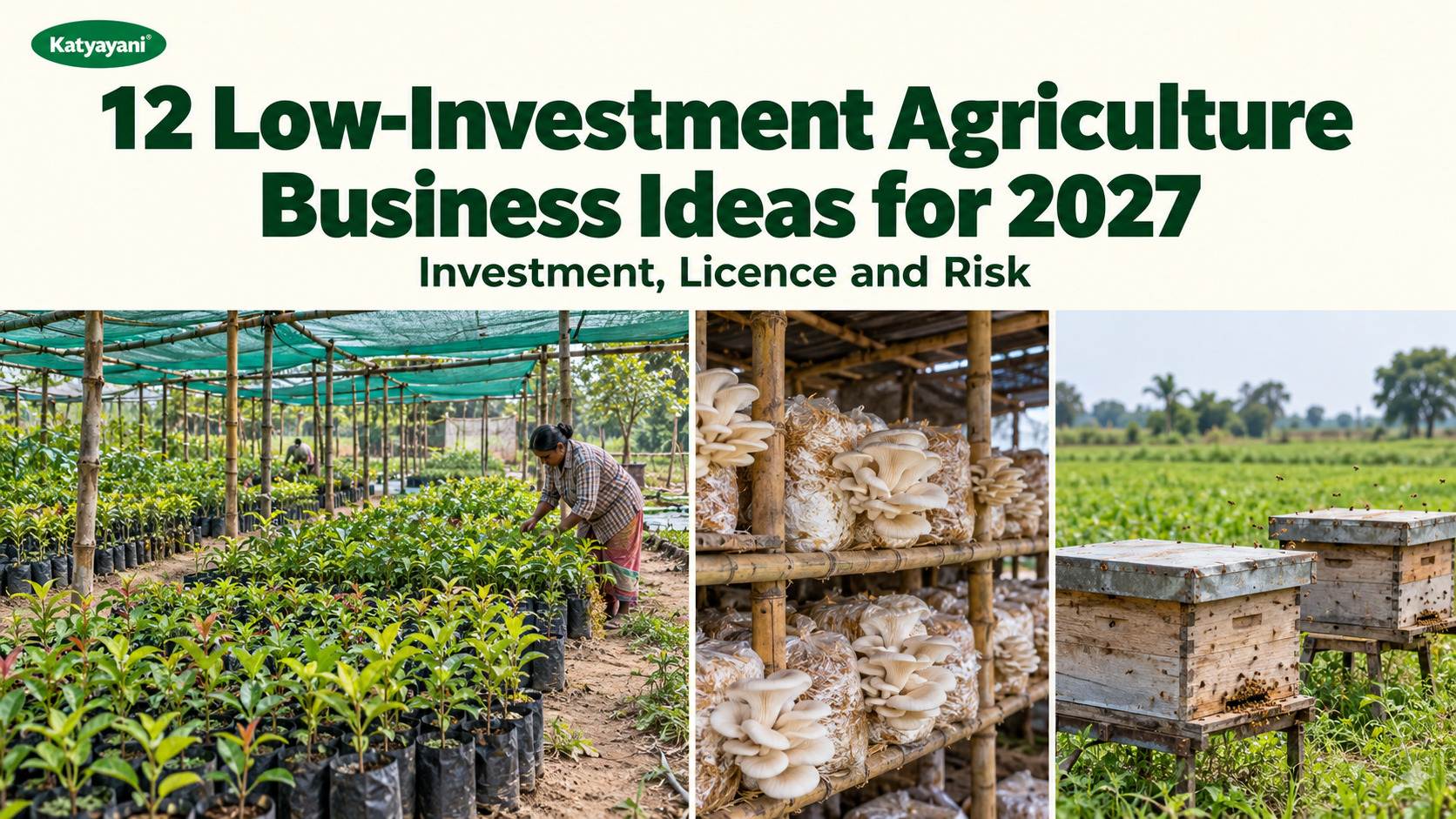
12 Low-Investment Agriculture Business Ideas for 2027: Investment, Licence and Risk
The best low-investment agriculture businesses for 2027 are agri-input retail, a micro-dealer or sub-dealer role, own-brand bio-inputs through a contract maker, vermicompost, oyster mushrooms, a plant nursery, custom hiring, drone services, beekeeping, makhana or millet processing, an FPO and cold storage. Each differs in money needed, licence and risk. The table below compares all 12.
 8 min
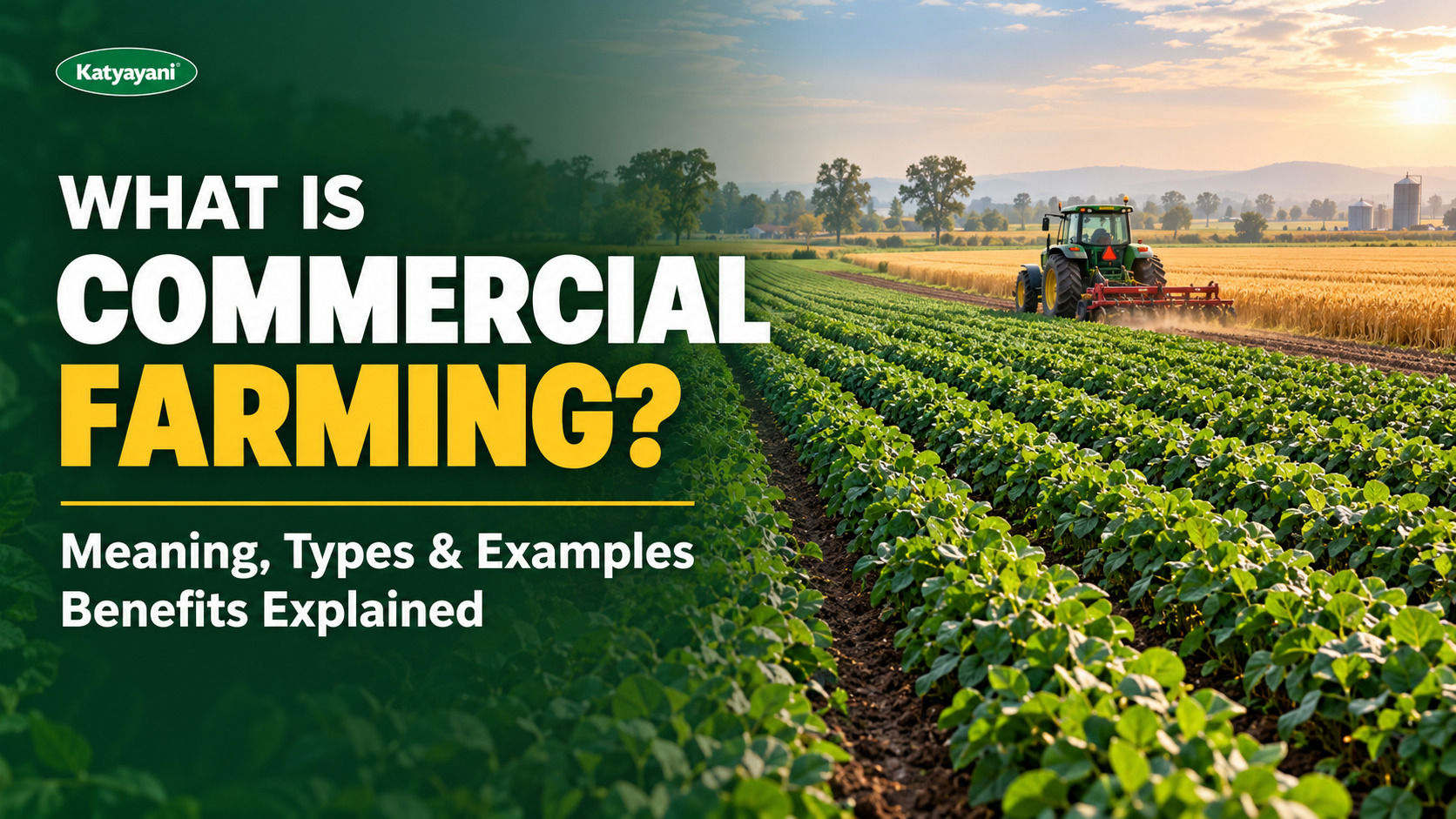
What Is Commercial Farming? Meaning, Types, Examples and Benefits
Commercial farming is growing crops or raising animals mainly to sell for profit, not just to feed your own family. It uses more capital, better inputs and bigger markets than subsistence farming. Indian examples include sugarcane in Uttar Pradesh, tea in Assam and cotton in Gujarat.
 5 min
Private Label Fertilizer Manufacturer in India: How Contract Manufacturing and Own-Brand Agri-Inputs Work
A private label fertilizer manufacturer produces, tests and packs fertilizer under your brand name while holding the FCO certificate of manufacture. You typically register as a wholesale dealer or marketer with a source certificate, register your trademark, approve the label and place orders above the agreed MOQ. Pesticides need CIB&RC registration and a manufacturing licence.
 5 min
Agri-Input Franchise in India: Investment, Margins and How It Works
An agri-input franchise in India is a retail store that sells seeds, fertilizers, pesticides and bio-inputs under a company's brand, with its supply, training and marketing support. You still need your own state licences. Investment mainly covers shop setup, licences and opening stock; margins depend on product mix and credit discipline.
